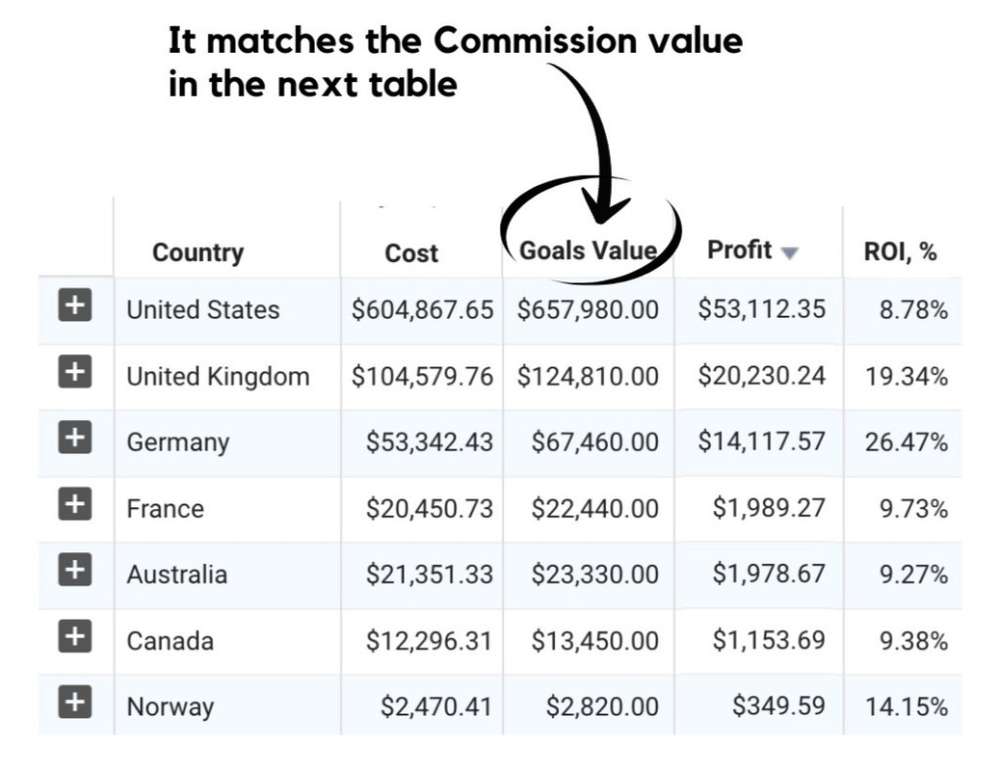
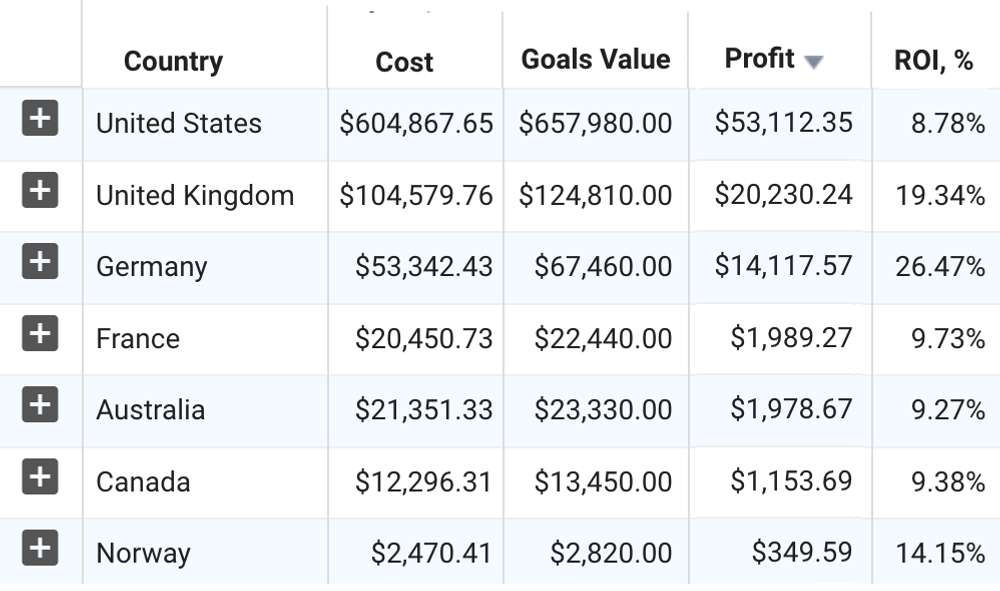
The Revenue and ROI shown in "Goals Value" is not final!
my system tracks conversions only within a 45-day window, but AV products often generate late sales. This means the actual ROI is typically 15% to 25% higher than what’s currently reported.
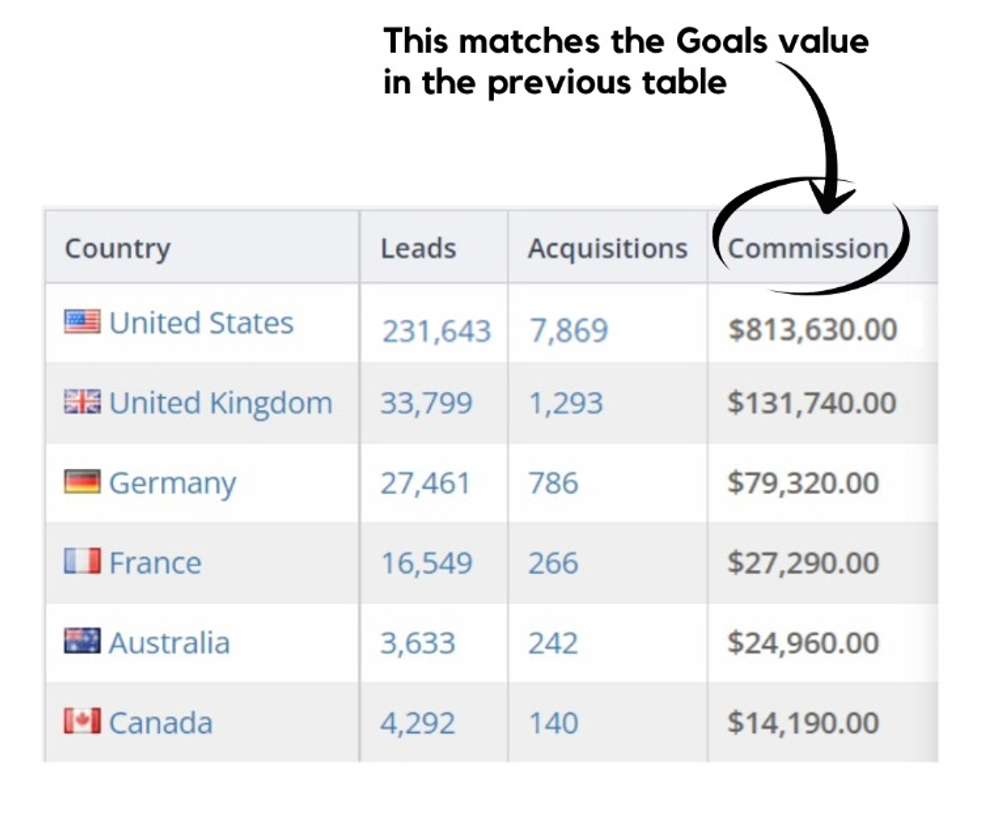
You can see me Full Revenue from Advertiser below in "commission"
The anti-virus (AV) market is fiercely competitive, with countless brands vying for attention. Success in this niche requires a strategic approach, leveraging platforms that offer high reach, precision targeting, and effective monetization. This is where Pushub DSP became my game-changer.
Why Pushub DSP?
Pushub DSP is a demand-side platform designed specifically for push notification advertising, offering affiliates the opportunity to access millions of users globally. I knew that if I wanted to work with push notifications, partnering with a company that specializes in them would be beneficial, but I had never tried it before and was somewhat skeptical. When my AV provider (name confidential for competitive reasons) suggested Pushub, I decided to take the risk and see how it could impact my campaign. Its ability to deliver personalized messages directly to users' devices made it a suitable choice for promoting AV offers, where urgency and attention are important.
STAGE 1 — Setting Up the Campaigns for Success
After connecting with Pushub DSP, I was assigned a dedicated Account Manager (AM), who became an invaluable partner throughout the campaign. Based on their guidance and my research, I started with 3 foundational campaign strategies:
- Blacklist Campaign: Targeting All Traffic
- This campaign casts a wide net, targeting all available traffic to collect valuable data and identify potential high-performing sources. By monitoring and analyzing this data, I could quickly spot trends and isolate traffic segments that delivered conversions.
- Whitelist Campaign: Selective & High-Quality Sources
- My AM initially provided a list of high-quality traffic sources based on previous success stories. From there, I refined this list by adding new sources that demonstrated strong performance metrics. This campaign allowed me to maximize ROI by focusing on traffic with proven engagement.
- User Age Campaign: Fresh & Engaged Users
- A critical insight from my AM was the importance of targeting users based on their "user age," which refers to how recently a user was added to the push notification database. We set up a dedicated campaign targeting users who had been collected within the past 7 days, offering higher bids to reach this highly engaged segment.
Creative Strategy
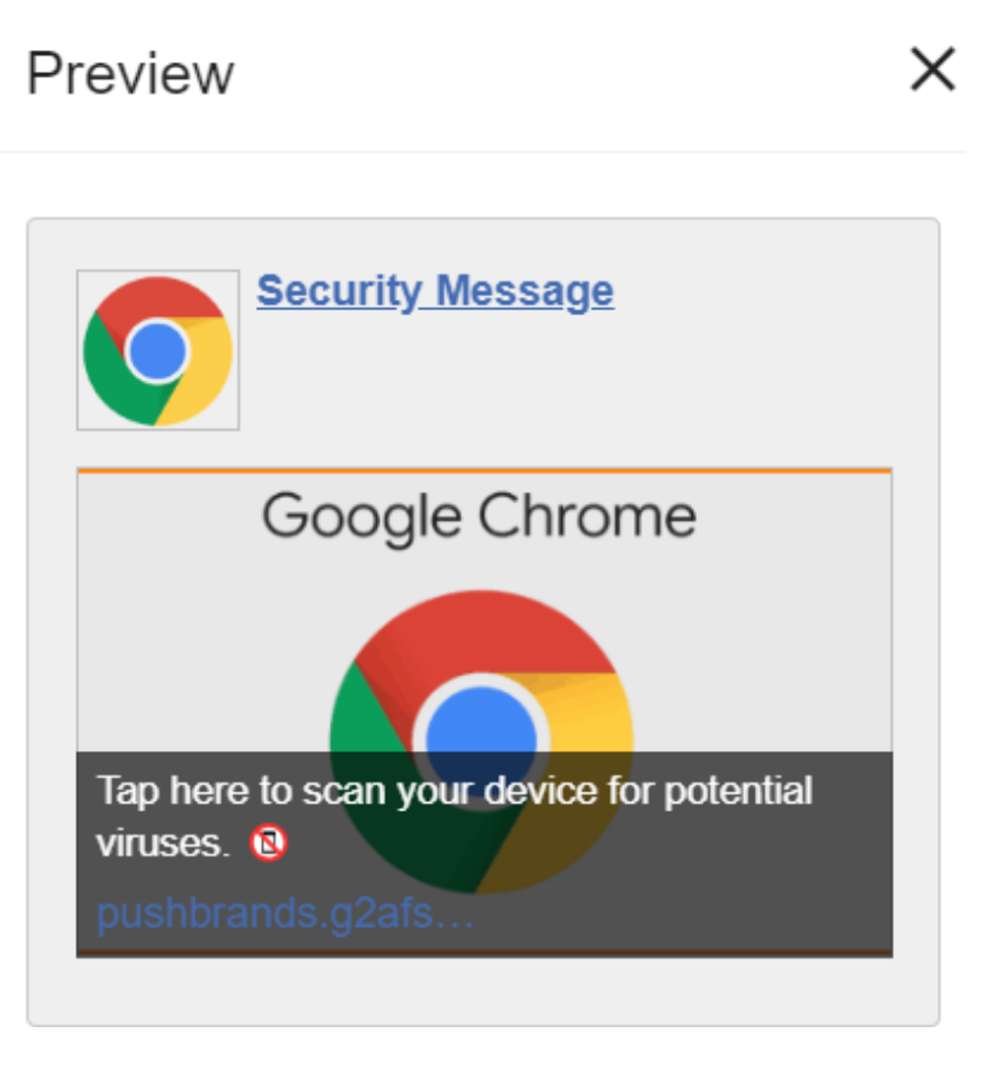
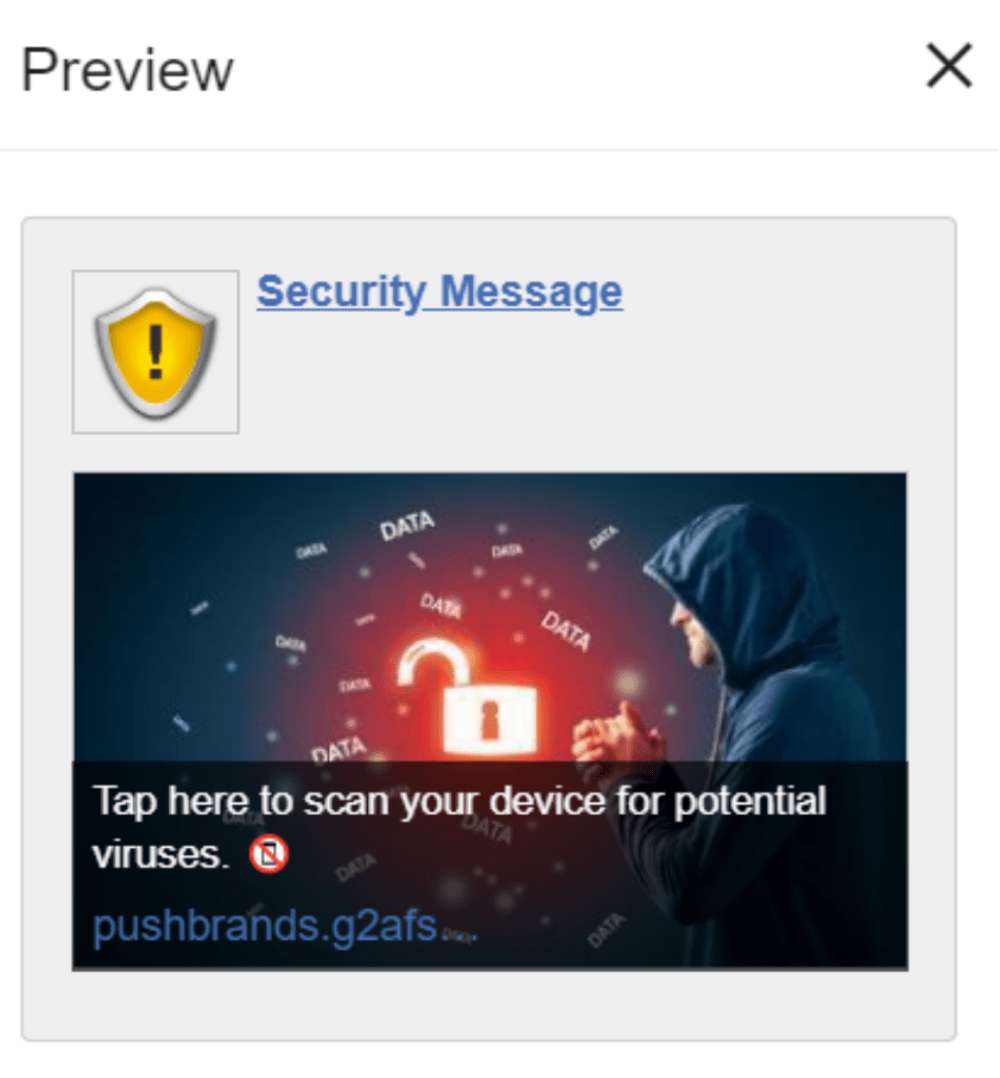
Each campaign was launched with 5 unique creatives to maximize engagement:
- 3 creatives were provided by my AM, leveraging proven designs and messaging styles that had previously generated results.
- 2 additional creatives were developed using insights from business intelligence research on the web, ensuring that they resonated with current trends and user behaviors.
These diverse creatives enabled me to test different approaches and quickly identify which messages, visuals and calls to action were most effective.
Within 2 weeks, the whitelist campaigns outperformed the blacklist campaigns with a 40% higher conversion rate, and the user-age campaign saw a 35% increase in engagement compared to standard campaigns.
STAGE 2 — Collecting Data & Continuous Optimization
One of the most crucial phases of this journey was data collection and optimization. While many aspects of optimization are standard practice, I'll focus on the two most impactful areas for this campaign: User Age Optimization and Creative Optimization.
User Age Optimization Explained
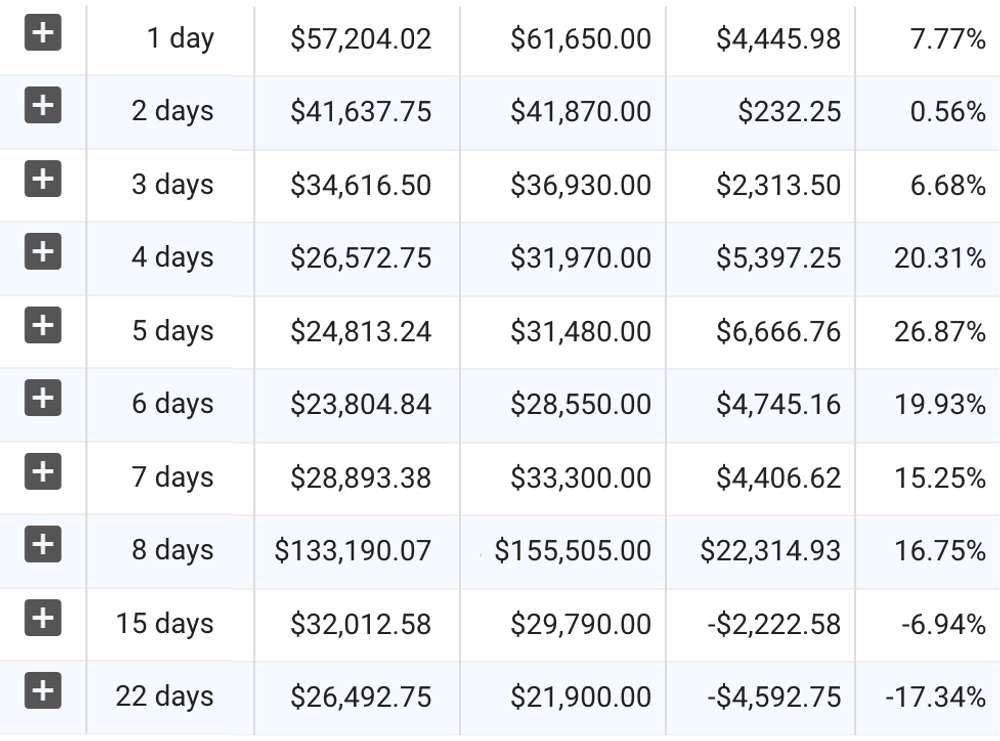
Understanding the concept of "user age" was pivotal to my campaign’s success. User age refers to how long a user has been part of the push notification database, impacting their engagement levels. Based on performance, I segmented the user age into 4 distinct categories:
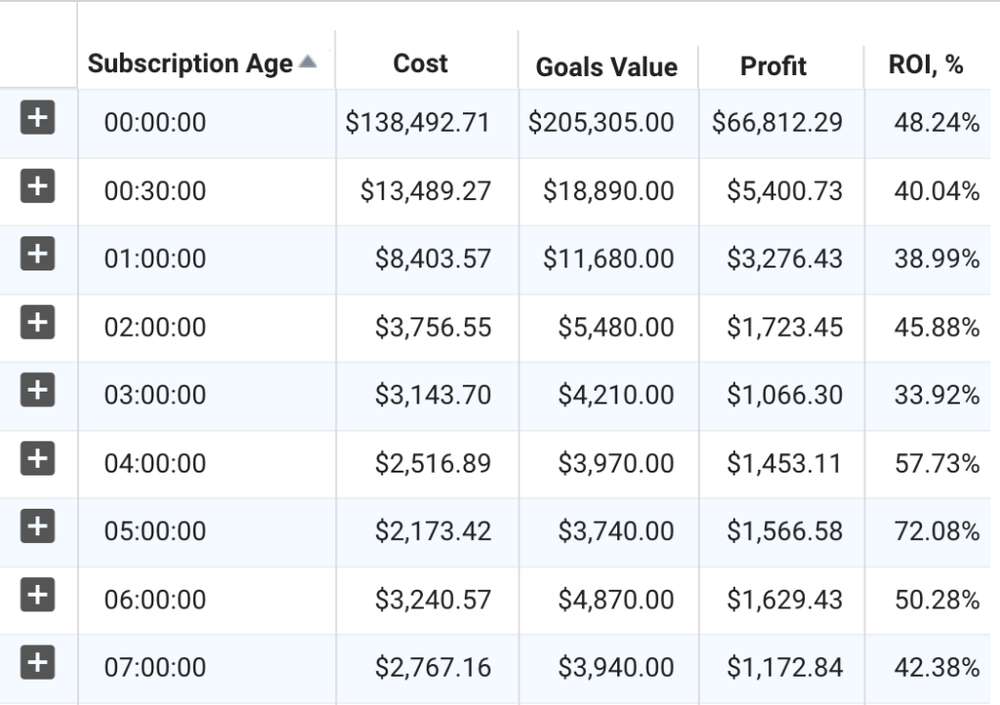
- Very Fresh User Age (0-1 day):
- These are users who have just joined the push notification service, making them the most responsive. I allocated a higher bid and tailored creatives to capitalize on their curiosity and engagement.
- Fresh User Age (1-8 days):
- These users are still relatively new to push notifications and maintain high engagement rates. Bids were slightly reduced compared to the "Most Fresh" group, but the ROI remained strong.
- Medium User Age (9-30 days):
- Engagement begins to taper off, but this group still holds potential. Here, I tested creatives that introduced new angles or value propositions, keeping the content fresh and relevant.
- Old User Age (30+ days):
- These users have been exposed to numerous push notifications, making them more selective. I reduced bids for this group and utilized creatives that stood out or offered unique incentives to capture their attention.
This segmentation strategy allowed me to maximize conversions by tailoring the messaging and bidding strategy according to the user’s engagement level.
Creative Optimization: The Art of Continuous Improvement
Effective creative optimization was crucial to sustaining campaign performance. Here’s a breakdown of my approach:
- Setting Performance Benchmarks:
- Each creative was given a specific performance threshold. If it failed to convert within this benchmark, it was paused, ensuring that only high-performing creatives remained active.
- Iterating on Success:
- When a creative proved to be a winner, I didn’t stop there. I created multiple variations by:
- Changing icons to draw more attention.
- Swapping out images to keep the content fresh.
- Modifying text to experiment with different tones and messaging.
- When a creative proved to be a winner, I didn’t stop there. I created multiple variations by:
This constant iteration helped prevent creative fatigue and ensured that my campaigns stayed ahead of the competition. It also allowed me to adapt quickly if a creative was copied by competitors, ensuring my ads continued to perform.
Significant Uplift: User age segmentation increased conversion rates by 50%, with the 'Most Fresh Users' campaign achieving a 70% higher conversion rate than the general traffic.
Enhanced ROI: By adjusting bids according to user age, I managed to improve the overall ROI by 35%.
Creative Success: The top-performing creatives delivered 60% higher conversion rates compared to the initial batch, and ongoing testing maintained a steady 20% uplift in CTR across all campaigns.
STAGE 3 — Scaling Success Across Multiple GEOs
Once I had identified the winning combination of sources, creatives, and user age strategies, I reached out to the advertiser to discuss expanding into other GEOs (geographic regions). This involved repeating the same steps, but with the added knowledge and insights gained from the initial campaigns.
Scaling to new GEOs presented its challenges, but the process was smoother thanks to:
- Leveraging existing data: I used the knowledge acquired from my initial campaigns to adjust bids, creatives, and targeting, minimizing the learning curve in new regions.
- Adapting creatives: I customized my creatives for cultural nuances and preferences in different GEOs, ensuring they resonated with the local audience.
Although every new GEO required a brief period of testing and learning, the continuous process of A/B testing ensured that my campaigns remained profitable and adaptable to different markets.
For affiliates looking to maximize their ROI, I highly recommend conducting A/B tests with different AV providers tailored to each device (desktop/mobile) and GEO. User behavior and preferences can vary significantly based on these factors, and not all AV providers perform equally across every device or region.
Why This Matters:
- Device-Specific Performance: Some AV providers convert better on desktop, while others excel on mobile. Testing ensures you’re matching the best provider with the right device, optimizing conversion rates.
- GEO Variability: Users in different countries respond differently to various AV offers. By A/B testing providers in each GEO, you can identify which ones resonate best with your target audience.
This strategy can further enhance your overall conversion rates and ROI, ensuring that you’re capitalizing on the highest-performing combinations across your campaigns.
Conclusion
Generating $1 million with an AV provider on Pushub DSP highlighted the effectiveness of data-driven decision-making, careful optimization, and adaptability. By utilizing Pushub DSP's targeting capabilities, segmenting users by age, and continuously refining creatives, I was able to maintain strong engagement and conversion rates across multiple GEOs.
This experience isn't just about finding the right traffic sources or having effective creatives—it's about understanding the nuances of your audience, testing consistently, and adjusting strategies for long-term profitability.
Final Note on ROI Calculation
Please note that the ROI figures shown are not the complete picture. Due to the nature of the AV product, many sales occur beyond the 45-day conversion tracking window used by our system. As a result, any conversions that happen after this period are not included in the ROI metrics presented. Historically, these late sales contribute to an ROI increase of approximately 15% to 25% beyond the figures shown, indicating that the actual ROI is even higher than what's displayed in the performance data.
Existing Advertiser - Open New Campaigns